Strauss’s Don Quixote
In Cervantes’s novel, Alonso Quijano (Don Quixote) is a Spanish nobleman so consumed by tales of chivalry that he loses his sanity and sets out in pursuit of knighthood. He recruits his neighbor Sancho Panza as his squire, and together they roam the Spanish countryside, battling illusory foes and conjuring adventures.
These misadventures are vividly retold in Strauss’s 1897 tone poem. I have a soft spot for Don Quixote from my orchestra days. It wasn’t easy on the ears (listen to Variation II), but there was something endearing about Strauss’s storytelling, a witty departure from the more earnest Romantic works we performed.
Characters:
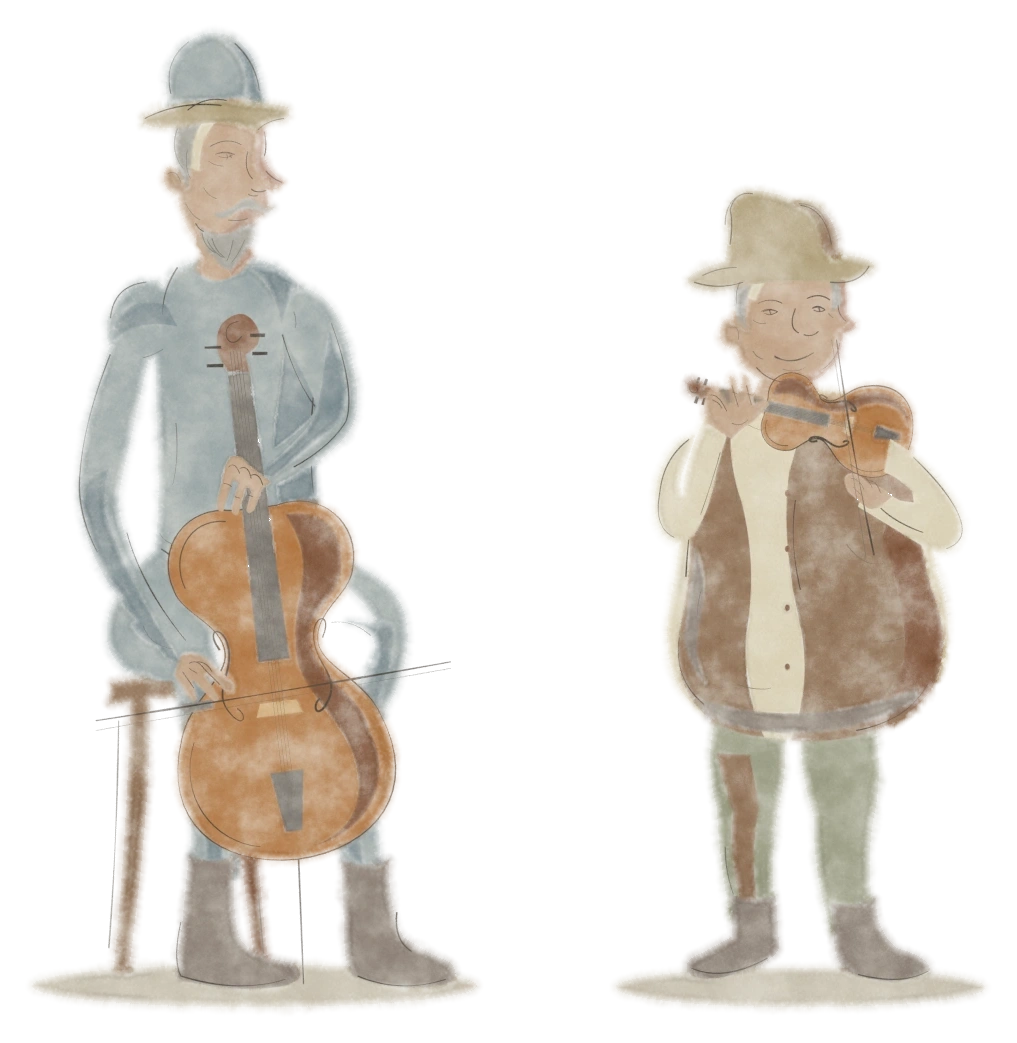
The cello voices Don Quixote, by turns noble and deluded. Sancho’s more practical commentary passes between viola, bass clarinet, and tenor tuba.
DuPage Symphony Orchestra · Barbara Schubert, conductor · Sebastian Bäverstam, cello. Recorded by Eric Pancer, May 11, 2013. Excerpts trimmed and faded from the recording (CC BY-NC 3.0 US) · score
Some moments worth listening for:
Variation I
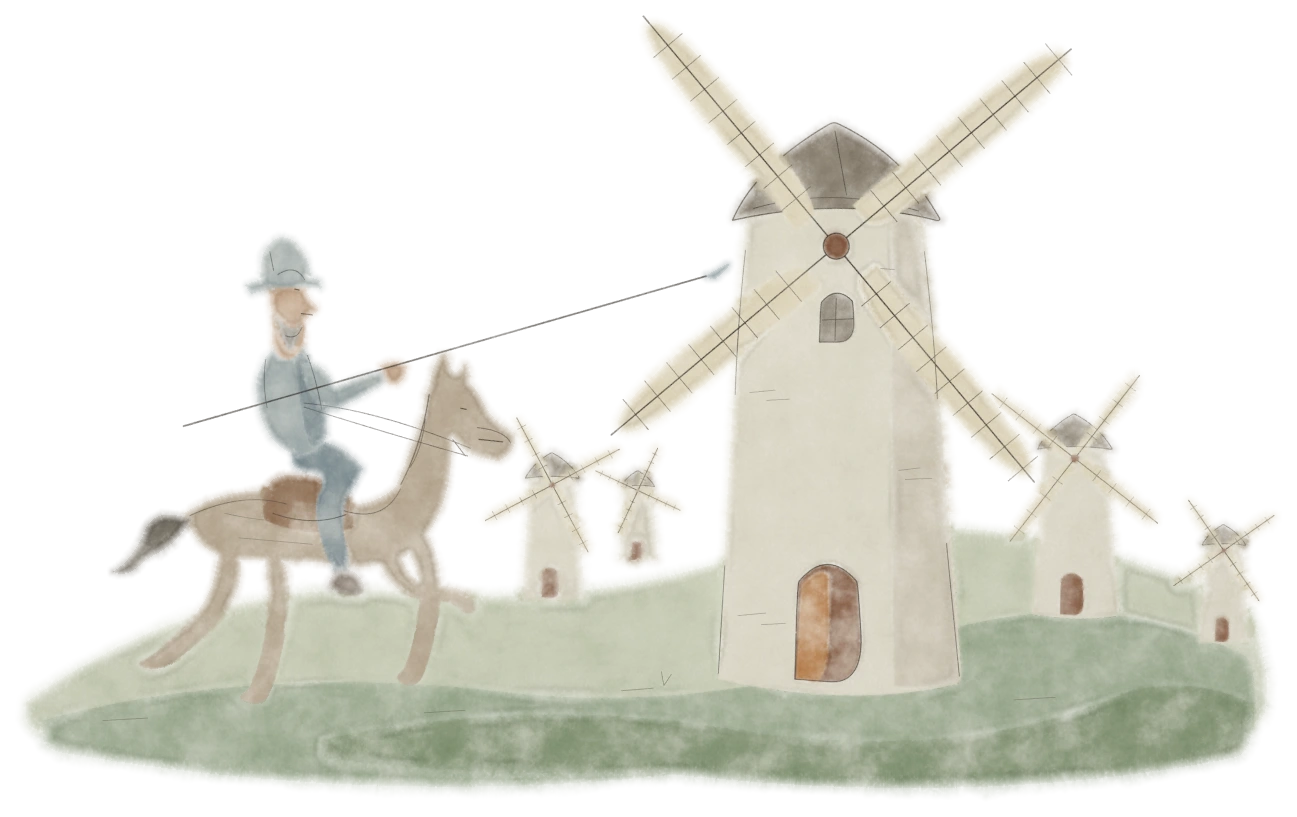
Don Quixote charges into a field of windmills, mistaking the turning sails for towering giants. You can hear the circular repetition in the strings and the mechanical clacking of the cellos’ col legno (striking the strings with the wood of the bow).
A turning sail soon catches his lance and sends him tumbling from his horse.
Variation II
Two flocks of sheep approach in the distance. Don Quixote mistakes them for rival armies, invents elaborate identities for their leaders and knights, and once again charges in. Strauss marks the wind passages mit Zungenschlag (tongue stroke) to imitate the bleating of the startled sheep.
In progress